Your Scottsdale HOA probably can’t ban artificial turf
Arizona law is unusually clear on this. Here is what the statute says, what your board can still control, and how to get a submission approved.
Arizona law is unusually clear on this. Here is what the statute says, what your board can still control, and how to get a submission approved.
Scottsdale is one of the most HOA-dense cities in the country. DC Ranch, Grayhawk, McDowell Mountain Ranch, Troon North, Scottsdale Ranch, Ancala, Gainey Ranch — almost every community here has an association with an architectural review committee.
The good news is that Arizona law limits what those boards can prohibit, and it is more specific than the law in most states.
Arizona Revised Statutes §33-1819 prevents a planned community association from prohibiting artificial turf or synthetic grass, in communities where natural grass is already permitted, once the period of declarant control has ended.
Your board can still regulate how it looks and how it is installed. It cannot simply say no.
The statute came out of HB2131, passed after Arizona homeowners were hit with substantial HOA fines for installing artificial turf while the state was actively trying to reduce outdoor water use. The legislature took the view that associations should not be able to mandate water-intensive landscaping in the middle of a decades-long drought.
It sits alongside ARS §33-1818, which covers xeriscape and drought-tolerant landscaping more broadly and prevents associations from penalising homeowners for low-water plants, decomposed granite ground cover and drip irrigation in place of traditional lawn.
The protection applies in communities where natural grass is allowed. If your documents prohibit lawn entirely and require full desert landscaping, this particular provision is not the operative rule — though the broader xeriscape protections and your ACC process still apply.
While the developer still controls the association, the protection does not yet apply. In established Scottsdale communities that period ended years ago; in newer developments it may not have.
This is where people over-read the statute. Associations retain the ability to impose reasonable standards on installation and appearance. In practice they can, and often do, require:
None of that is unreasonable, and most of it aligns with what you would want anyway.
Submit a design, not a request for permission. Boards approve plans and push back on vague intentions. Submissions that clear review usually include:
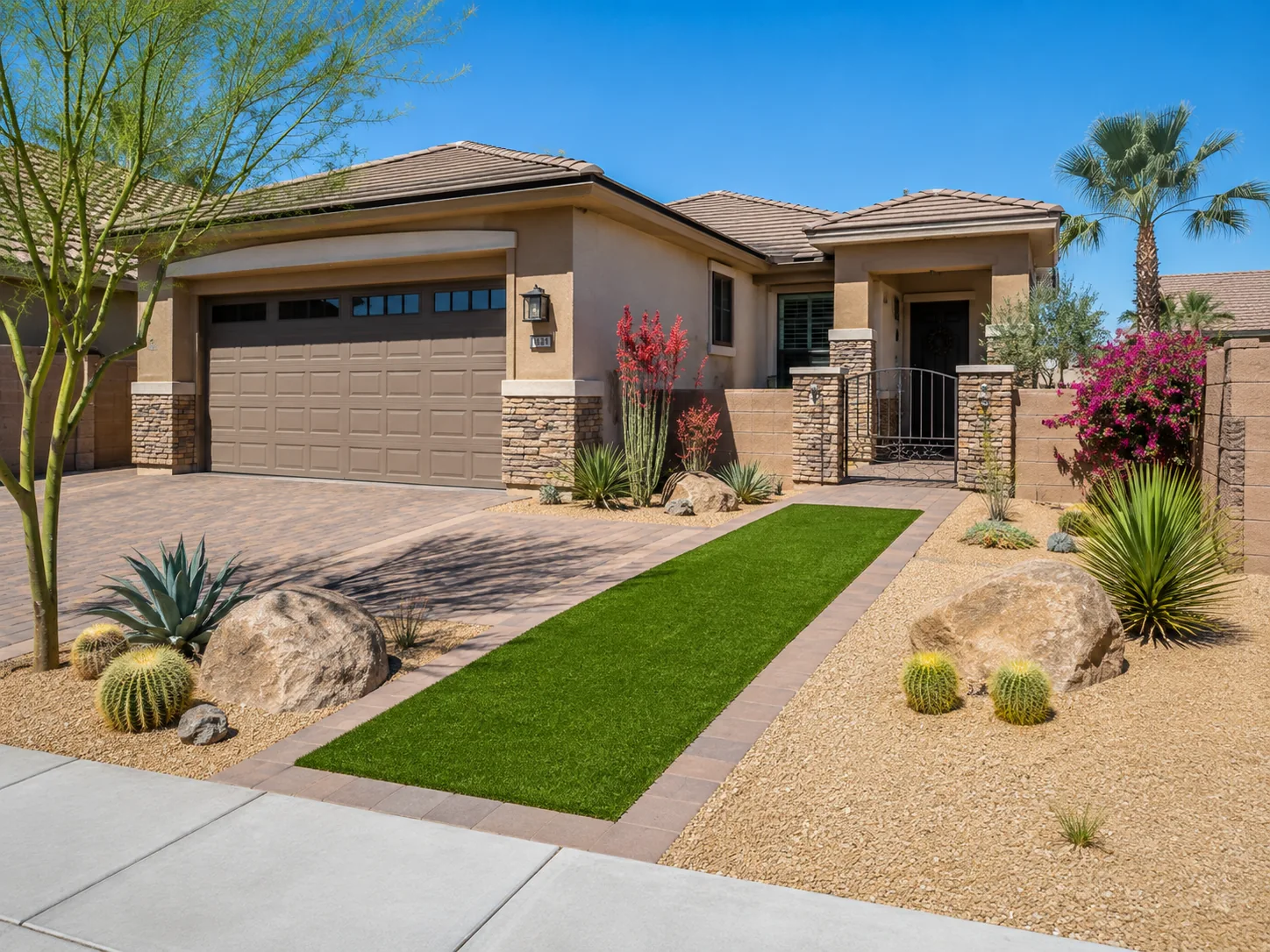
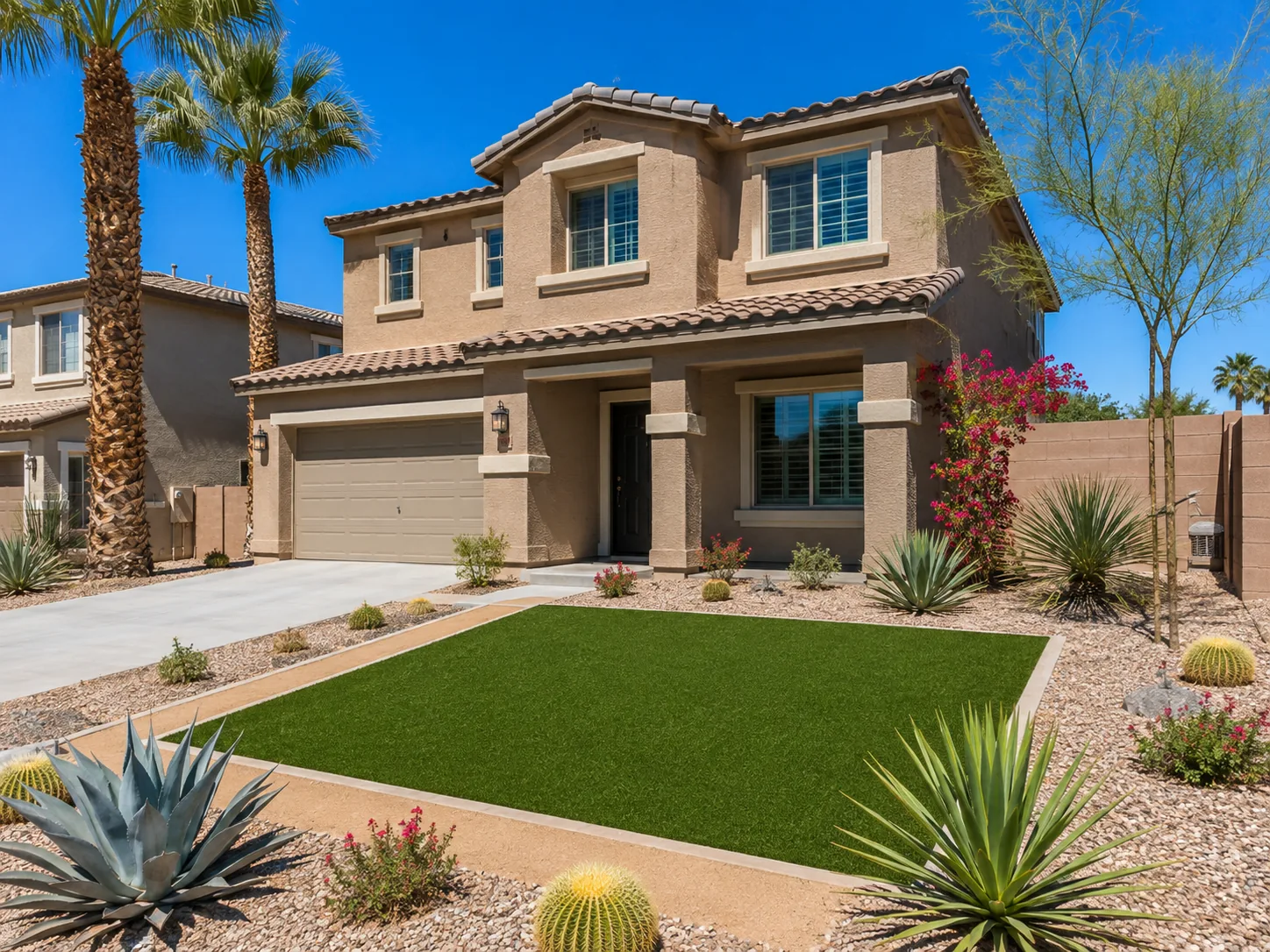
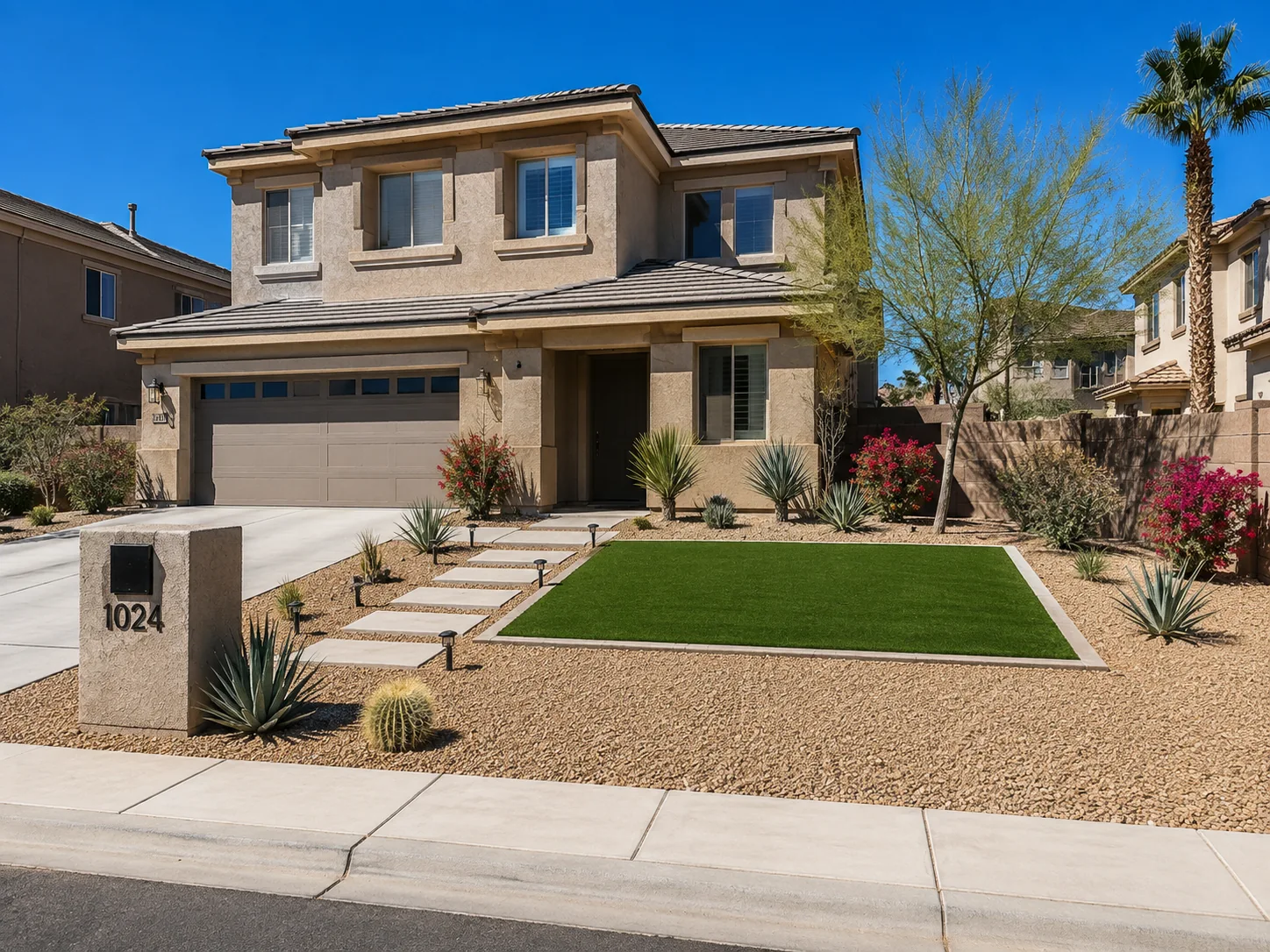
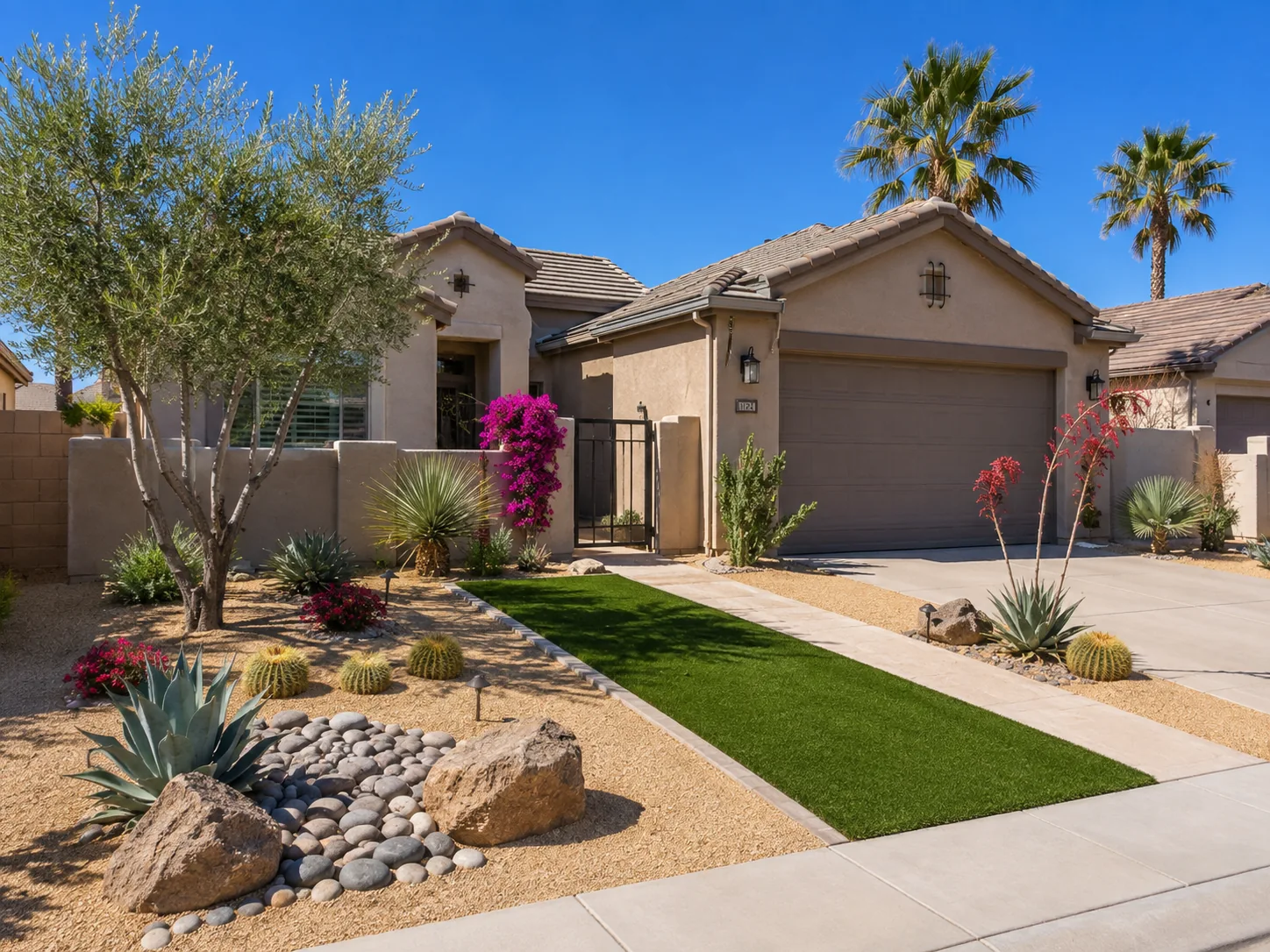
We prepare all of it. Approval rates are dramatically higher when a package looks considered, and most board resistance comes from members picturing indoor-outdoor carpet rather than modern multi-tone turf. A photograph is often the entire argument.
Homeowners have successfully challenged fines for installing turf or switching to desert landscaping where state protections apply. Whether that works in your case depends on your governing documents, your community's status and the specific facts. Take advice rather than assuming.
Arizona has kept legislating in this direction. Proposals in the 2026 session would extend protections further, including preventing associations from requiring overseeding or watering during declared drought periods. That would matter a great deal in Scottsdale, where winter overseeding of Bermuda is a common HOA expectation and a significant recurring water cost.
The direction of travel is consistent: less association authority to mandate water-intensive landscaping, more homeowner latitude to convert.
The same logic applies to common areas at larger scale, and rebate funding for HOA and commercial conversions has historically been far higher than residential. More on common area work here.
This page summarises publicly available information about Arizona law as we understand it and is not legal advice. Statutes and their application change. Confirm your specific situation with counsel or the Arizona Department of Real Estate.
Most estimates are scheduled within 48 hours.
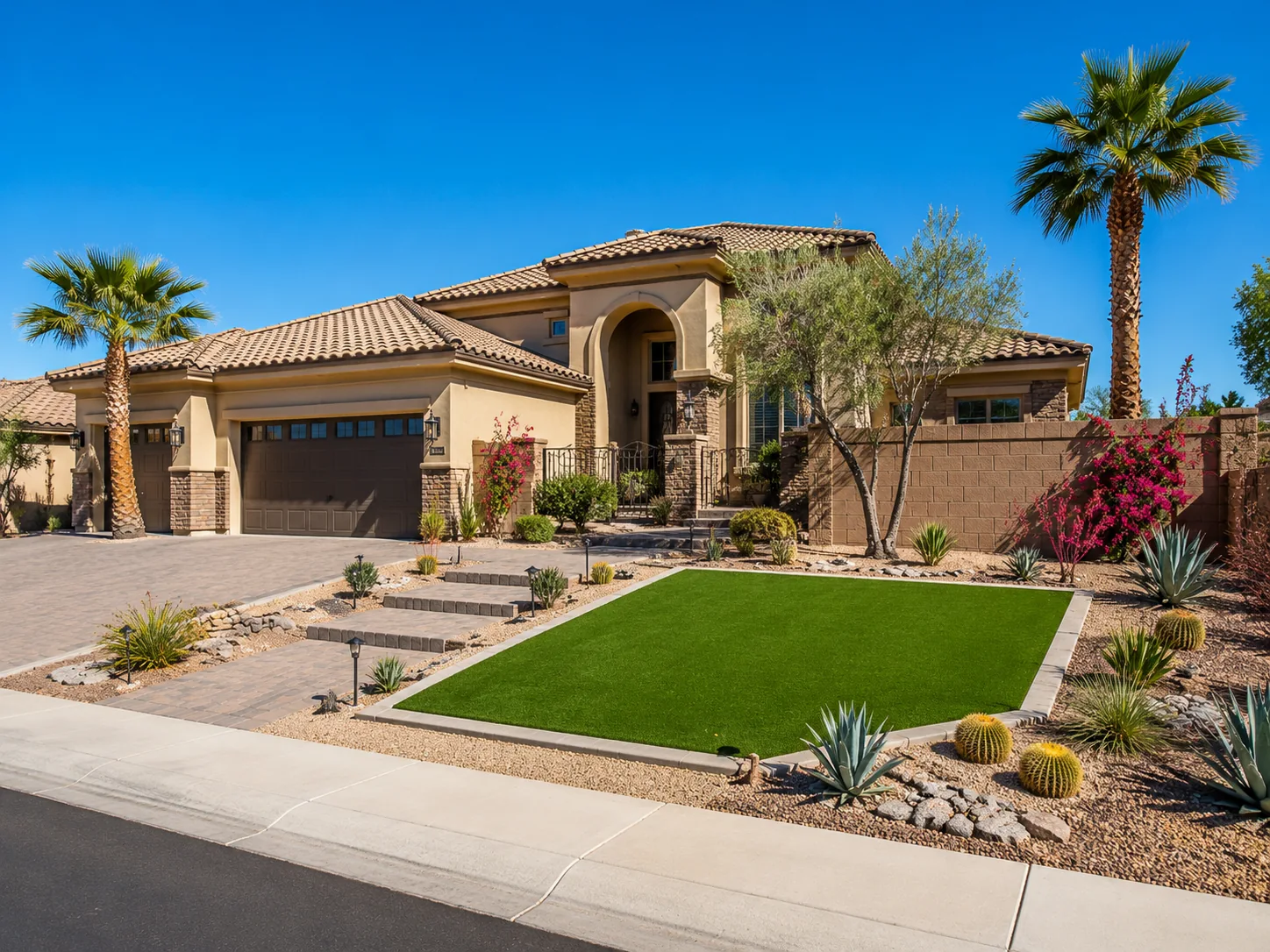
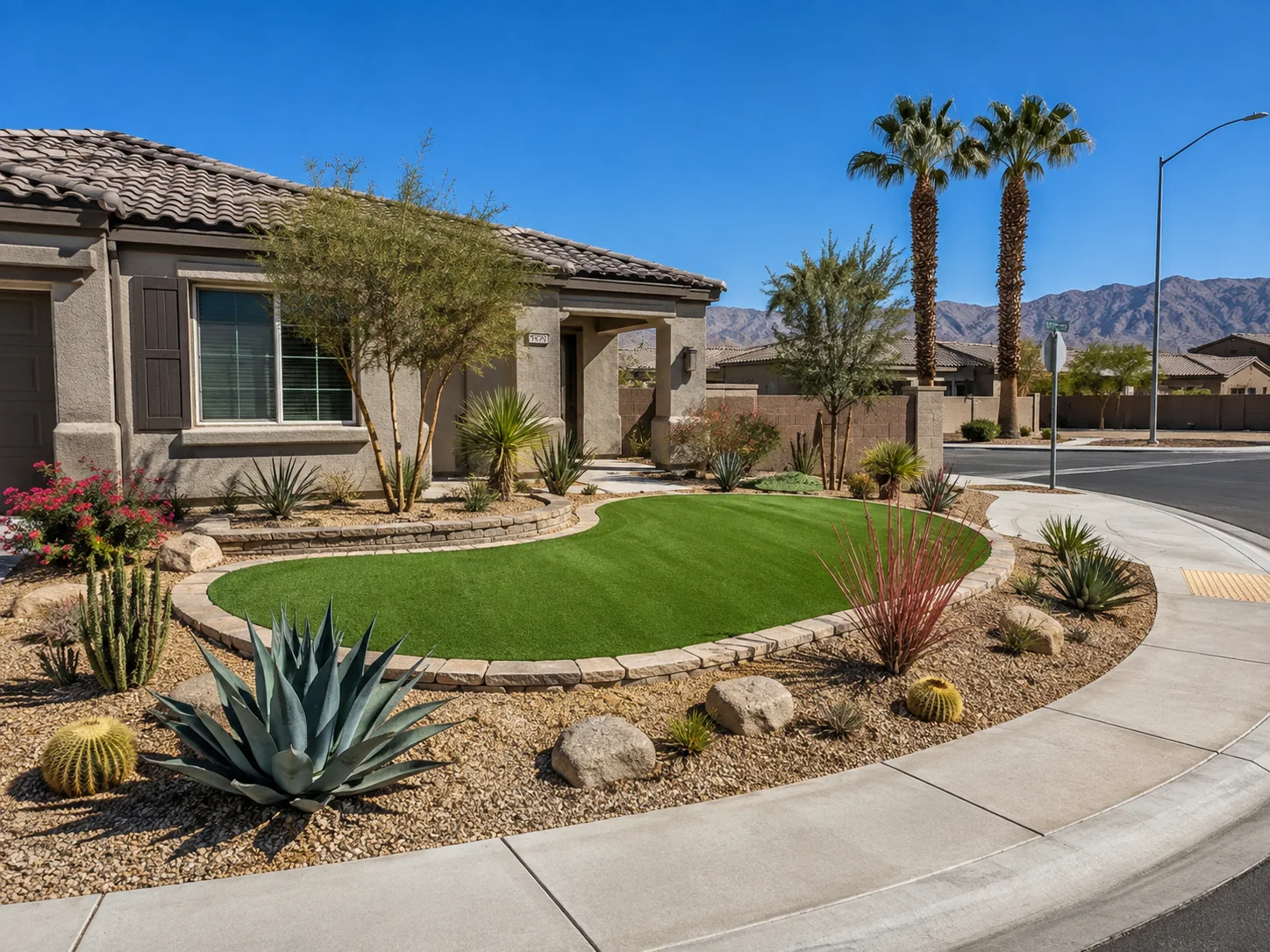
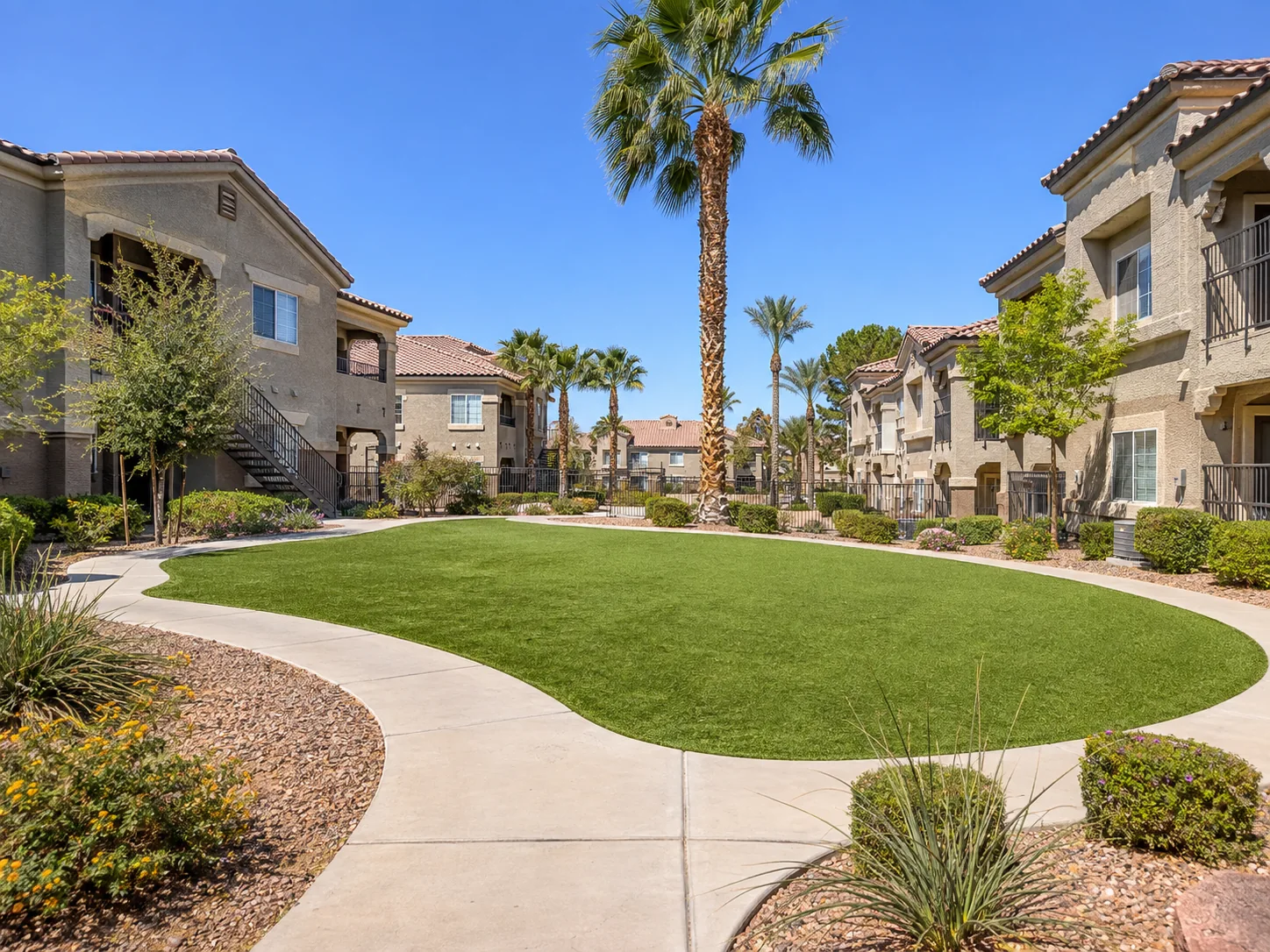
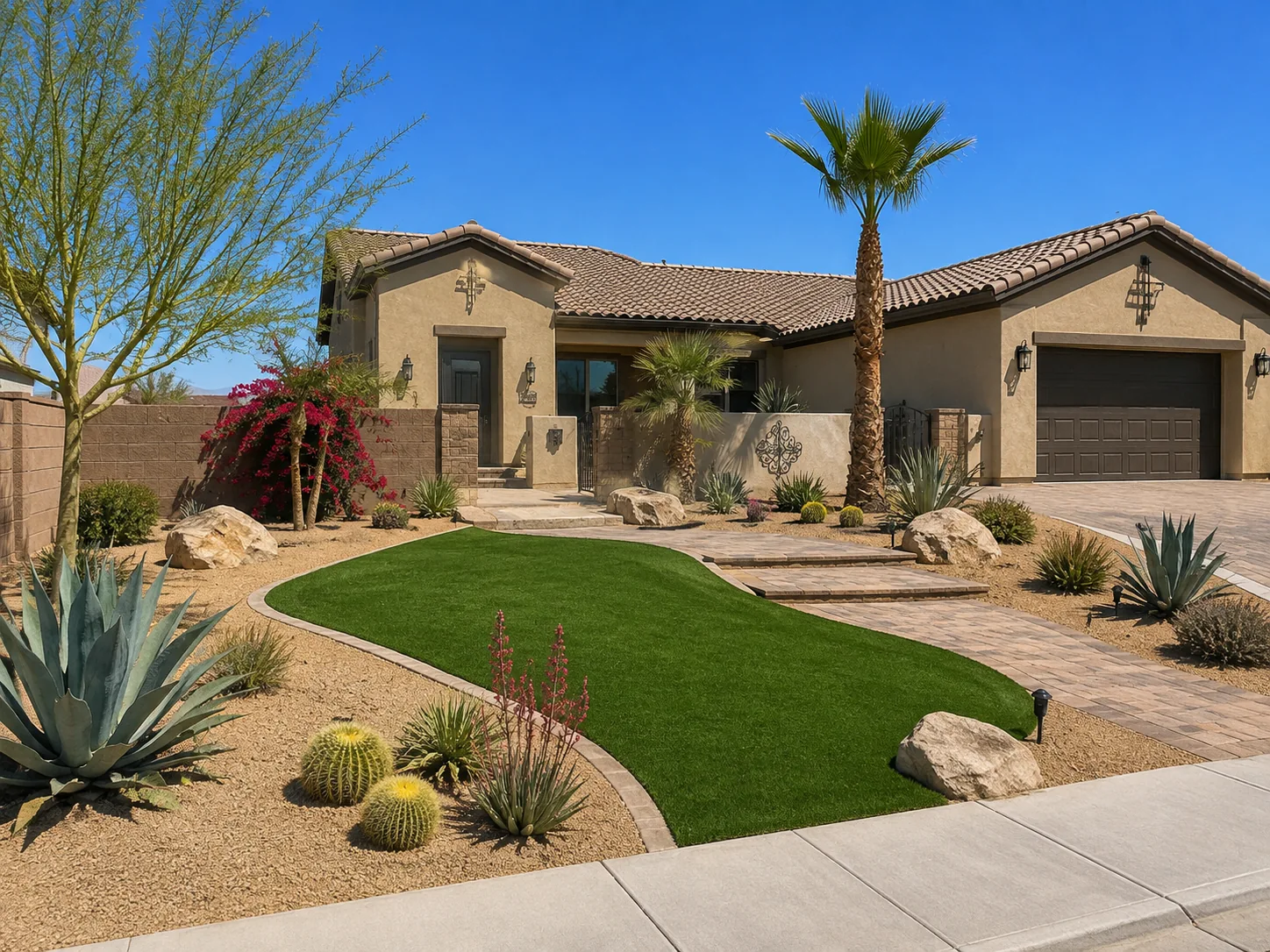
Images are representative of the work we do.
Tell us the space and we’ll give you a firm, written price. No pressure, no obligation.